Cardano Founder Explores Quantum Computing Threat and Post-Quantum Cryptography
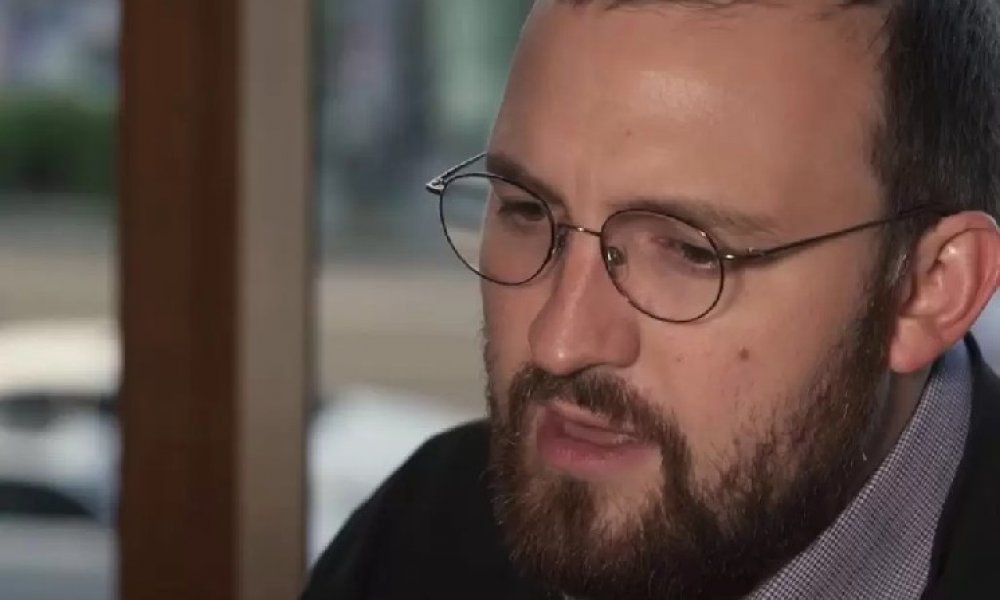
Charles Hoskinson, the founder of Cardano (ADA), has stated that the cryptocurrency ecosystem will inevitably become resilient to quantum computers (post-quantum), but this will require substantial investment. According to Hoskinson, the central debate isn’t about the specific changes needed, but rather when those changes should be implemented. He believes premature action could significantly decrease the performance of blockchain networks.
Hoskinson noted that the cryptographic tools necessary to protect against future quantum attacks already exist, referencing standards for post-quantum cryptography published by the U.S. National Institute of Standards and Technology (NIST) in 2024. However, he highlighted that the challenge lies in the cost of implementing these new protocols before miners and validators are ready.
Post-quantum cryptography often operates 10 times slower, increases proof sizes, and reduces overall efficiency. Hoskinson added, “When you deploy it, you essentially reduce the blockchain’s throughput, taking away zero.”
While researchers generally agree that sufficiently powerful quantum computers could eventually breach modern cryptography, there’s no consensus on the timeframe. Estimates range from several years to over a decade. Hoskinson suggests looking to the DARPA Quantum Test Initiative, which evaluates the feasibility of large-scale quantum computations, as a more reliable source than company predictions. DARPA has set 2033 as a target for assessing quantum computations of a municipal scale.
Currently, major networks including Cardano, Bitcoin, Ethereum, and Solana utilize elliptic curve cryptography, which is theoretically vulnerable to Shor’s algorithm once powerful quantum computers exist. Hoskinson argues that the industry knows how to address this vulnerability, but the choice lies between two fundamental cryptographic approaches: hashing-based cryptography, favored by Ethereum, and lattice-based cryptography, utilized by Cardano.
Lattice-based cryptography, which supports digital signatures, encryption, and advanced cryptographic tools, is considered better suited for the post-quantum world. Furthermore, it can operate on graphics processing units, potentially repurposing existing infrastructure worth hundreds of billions of dollars used for artificial intelligence.
Hoskinson doesn’t advocate for immediate protocol-wide changes. Instead, he proposes a phased risk reduction strategy, including safeguarding Cardano’s transaction history through checkpoints with post-quantum signatures using solutions like Mithril and the privacy-focused Midnight sidechain.